

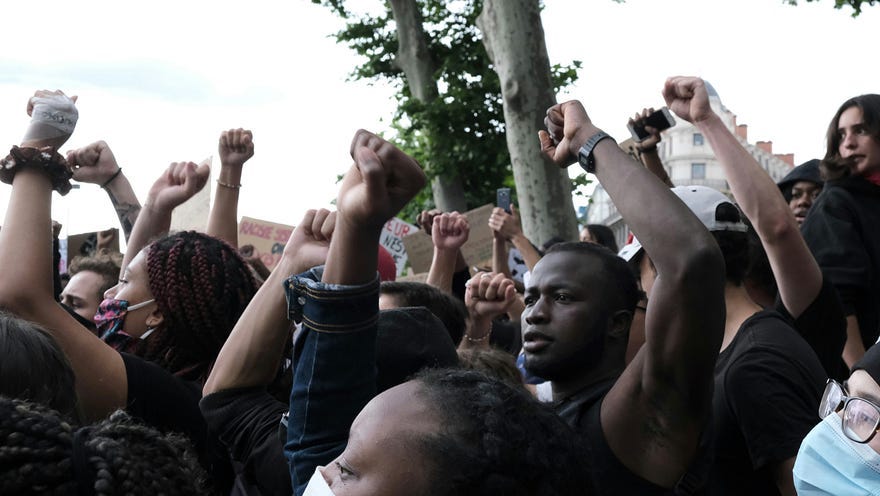
It’s 2025 in America, where diversity, equity, and inclusion efforts are being revoked, and corporations are loudly walking back their 2020 racial justice pledges. Funding for Black-led nonprofits is drying up. And yet, Black philanthropy remains as it always has — unshaken
Black Americans have never had the luxury of depending on outside systems to ensure their survival. Long before corporate pledges and government grants, Black communities built their own safety nets, institutions, and pathways to economic resilience. Philanthropy in Black America is not a gesture of goodwill — it is a strategy for survival, an act of economic resistance, and a tool for liberation.
This history is long and undeniable, from mutual aid societies formed by freed and enslaved people to the modern-day billion-dollar commitments of Black entrepreneurs and the rise of grassroots crowdfunding. Black giving is about power — ensuring that communities, systematically excluded from wealth-building, have the resources to shape their futures. Today, as the economic and political landscape shifts, yet again, Black philanthropy moves beyond historical tradition to urgent necessity.
The Revolution in Giving
Philanthropy in America has long been defined by billion-dollar endowments, tax loopholes, and the names of powerful white men — Ford, Carnegie, Rockefeller — etched into the institutions they built.
But Black philanthropy has never looked like that. For centuries, Black Americans have donated a larger portion of their income to charity than any other racial group, despite having less generational wealth. This tradition, rooted in West African values of communal responsibility, emphasizes that giving helps ensure community survival when systems fail.
During slavery, enslaved people pooled their meager earnings to buy each other’s freedom. After emancipation, Black churches became economic powerhouses, funding schools, burial societies, and housing when the government refused. In the early 20th century, “Black Wall Streets” flourished in cities like Tulsa, where cooperative economics transformed Black dollars into self-sustaining economies.
Then, white mob violence burned them to the ground. But Black Americans did what they have always done — rebuilt — without government aid or institutional backing. Through collective giving, mutual aid, and grassroots organizing, they narrowed the gaps systemic racism created.
A Legacy Lives On
Black philanthropy isn’t a relic of the past — it’s happening now, in real-time.
LeBron James’ I PROMISE School in Akron, Ohio, gives kids a real shot at success by providing free tuition, meals, and mental health support because education doesn’t happen in a vacuum.
The Black Feminist Fund, launched in 2021, is fighting an ugly truth: Black women-led movements receive less than 0.5% of foundation funding. By raising millions, it’s making sure that advocacy work led by Black women isn’t just heard — it’s sustained.
While venture capital remains overwhelmingly white, Black-owned firms like Harlem Capital are rewriting the rules, ensuring that Black entrepreneurs — who receive less than 2% of all VC funding — aren’t just starting businesses but scaling them, building wealth that lasts generations. Black giving isn’t slowing down. But the fight is shifting.
When Corporations Retreat, Who Fills the Gap?
In 2020, corporations made bold promises. They pledged billions to Black communities, issued statements, and hired DEI officers. Five years later, the silence is deafening. Target, Walmart, and Amazon join a long list of companies that have abandoned their racial justice commitments. As political winds shift and backlash mounts, profit takes precedence over promises. The impact is immediate. Black-led nonprofits that saw a surge in funding in 2020–2021 are now being pushed back to the margins. The same disparities that existed before George Floyd’s murder are re-emerging. But while corporate giving ebbs and flows with public pressure, Black philanthropy doesn’t waver. It has never depended on press releases or corporate goodwill. It has always been rooted in something far more powerful: community.
The Everyday Philanthropists: Black Women Lead the Way
Billionaires like MacKenzie Scott make headlines for donating unrestricted funds to HBCUs and Black-led organizations, but the most consistent philanthropists aren’t making the news. They’re Black women — many of whom are underpaid compared to their white counterparts — yet continue to give more, do more, and uplift more than other groups.
However, philanthropy in Black America has never been just about writing checks. It’s time, resources, advocacy, and showing up — over and over again. Look at Mary McLeod Bethune, who started a school for Black girls in Daytona Beach in 1904 with just $1.50. That small, strategic investment turned into Bethune-Cookman University, proving that Black giving is generational.
Or think of the Aunties, the quiet, powerful forces who raise money for funeral costs, sports, college tuition, and emergency rent assistance. (You know who I’m talking about.) The ones who organize meal trains, pool money for hospital bills, and ensure nobody in their family goes without. This is philanthropy. It just isn’t called that. But it should be.
Redefining Philanthropy
Philanthropy has been sold to us as the domain of billionaires — grand gestures, tax write-offs, and charity galas. But Black giving has never looked like that. It has always been about collective investment — not just in individuals but in the survival and empowerment of entire communities. And right now, that investment is needed more than ever. Corporate support is retreating. Economic disparities are widening. The racial wealth gap is deepening. But Black philanthropy isn’t waiting for permission — and neither should you.
What You Can Do Today
Support Black-Led Organizations — Many of the most impactful Black-led organizations receive only a fraction of traditional philanthropic funding. Directly supporting groups like the Equal Justice Initiative (fighting mass incarceration and racial injustice) or the Black Feminist Fund (amplifying Black women-led movements) ensures that change is funded at the source.
Invest in Black Businesses — Economic empowerment is philanthropy. Support Black-owned businesses, contribute to Black entrepreneurs’ crowdfunding campaigns, and circulate dollars within the community.
Mentor, Teach, Advocate — Money isn’t the only currency that matters. Your connections, knowledge, and influence can open doors for Black professionals and aspiring entrepreneurs. Organizations like Black Girls Code and 100 Black Men of America are great places to start.
Hold Corporations Accountable — Companies that pledged millions to racial justice in 2020 are now backpedaling. Where is the money they promised? How much of it actually made it to Black communities? Demand transparency. Call them out. They moved when the pressure was on — apply it again.
Start a Giving Circle — Don’t wait for traditional philanthropy to step up. Pool resources with friends and family to fund scholarships, mutual aid efforts, or local initiatives. Small, consistent giving creates a long-term impact. Groups like Community Investment Network provide tools for starting your own.
Black Philanthropy Is Power
Black giving has outlasted slavery, Jim Crow, segregation, redlining, mass incarceration, and economic exclusion. Because it was never about charity — it was about power.
Power to build.
Power to resist.
Power to sustain.
This Black History Month, the question isn’t whether Black philanthropy will continue — it always has and will. The real question is: Who will step up, invest in its future, and ensure that this legacy of power, resistance, and community thrives for generations to come?