

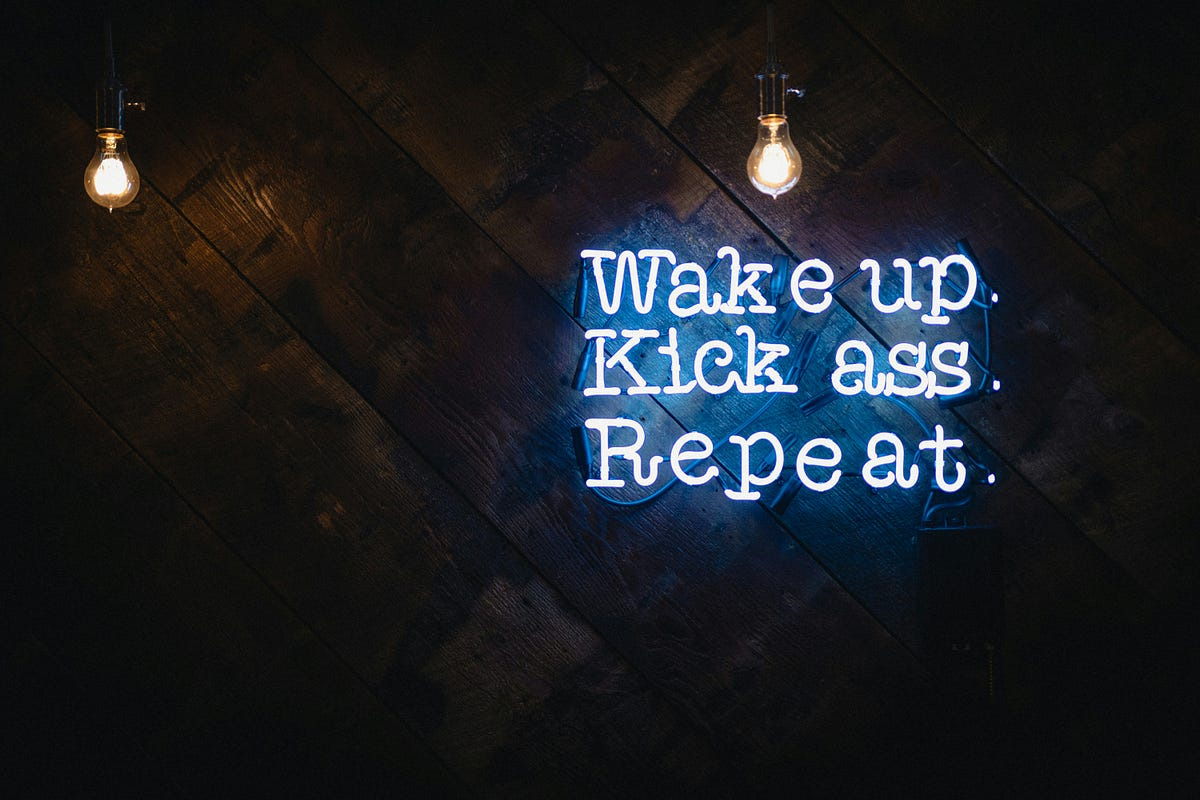
We all have something we want to do differently — work out more, write that book, drink more water, stop doom-scrolling before bed. Whatever it is, the desire to change isn’t the problem. The real struggle is figuring out how to actually make it stick. Most of us end up stuck in a loop — waiting for motivation to magically appear, feeling guilty when we’re not “disciplined enough,” or repeating habits that aren’t even helping us.
But once I really understood the difference between motivation, discipline, and habit — and how they actually work together — everything shifted. They each serve a different purpose. And when you learn how to lean on the right one at the right time, you stop starting over. You start building momentum — for real.
Motivation: A good time, not a long time
Motivation is great at getting things off the ground. It’s that jolt of energy when you hear a podcast, read a quote, or see someone crushing it online. Motivation makes you want to act. It’s exciting. Inspiring. Fleeting. You can’t always count on it to be there when the alarm goes off early or when the middle of the week feels heavier than expected.
If you rely solely on motivation, progress will feel unpredictable. Some days, you’ll have it. Other days, you won’t. And that inconsistency can easily turn into shame or self-blame. The truth is, motivation was never meant to carry you the whole way — it just gets you to the gate.
Motivation is the spark, not the engine. Use it when it shows up. Don’t wait for it to arrive.
Discipline: Your future over your feelings
Discipline isn’t cute, but it works. It’s what keeps you going after the newness wears off — the thing that kicks in when you’d rather quit.
It’s the part of you that gets out of bed when your body says “no.” That opens the laptop when Netflix whispers, “Just one episode.” That shows up, regardless of how you feel.
Discipline is a decision — over and over again. Not once. Not when it’s easy. Not just when you’re in the mood.
Discipline is being kind to your future self by saying, “I care about you enough to do this now so you don’t have to struggle later.”
But discipline has its limits. It draws on energy and willpower, which means it can wear thin — especially when life starts lifing. That’s where habit steps in.
Habit: The quiet superpower
Habit is what happens when the hype dies down. It makes progress sustainable.
It’s how your brain conserves energy — by automating tasks you’ve done often enough not to need much thought. Once something becomes a habit, it no longer requires a pep talk or mental negotiation.
You don’t need to feel motivated to make your morning coffee or lock your door. You just do it. That’s the power of habit — it allows the behaviors that matter most to become a natural part of your day.
Building habits requires intention upfront. You have to decide what you want to repeat, create space for it, and design your environment to support it. But once it’s in place, habit works quietly in the background, keeping you on track even when your energy dips.
Your habits are running your life — whether you built them with intention or not.
Habits reduce the need for motivation and discipline.
Once something becomes a habit, it requires way less energy. It becomes automatic, which is exactly what you want. You’re trying to build systems that support you even on your worst days.
They’re Meant to Work Together
Motivation, discipline, and habit each have a role to play. The key is knowing when to lean on which one:
Here’s the real formula:
Motivation gets you excited.
Discipline gets you moving.
Habits keep you going.
Where Things Can Break Down
When you depend on motivation, progress becomes inconsistent. When you try to muscle through everything with discipline, burnout creeps in. And when you form habits without intention, you reinforce patterns that don’t serve you.
None of these are inherently bad. But each one needs balance. They work best as a team, not in isolation.
Motivation disappears the moment life gets hard. Don’t let it be your compass.
Discipline runs on fuel — and eventually, that fuel runs low. You can’t rely on willpower forever.
Habits, if you’re not careful, will quietly run your life in the wrong direction. Bad habits feel just as automatic as good ones.
So now what?
Change doesn’t have to be dramatic. Most of the progress I’ve made in my own life has come from small, repeatable actions. Writing a little every day. Moving my body even when it’s not a full workout. Saying no to things I used to say yes to out of guilt.
None of that came from waiting to be inspired. It came from choosing structure over struggle. From creating habits that hold me up when motivation is nowhere to be found. From remembering that showing up — even imperfectly — still counts.
Motivation might get you excited, but it won’t build the life you want. That takes rhythm. Systems. Repetition.
Start small. Start today. Start again if you need to. But build something that lasts.