

10 Tips For Success
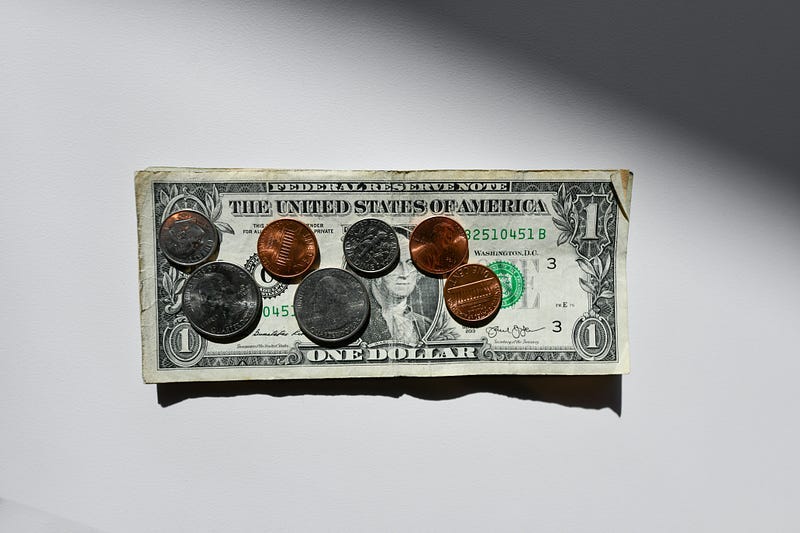
A recent Supreme Court ruling essentially criminalizes homelessness, making it even harder for those in poverty to survive. Poverty shouldn’t be a crime. How can you help? Through funding.
In Florida, the Governor has slashed youth arts programming from the budget. What can you do about it? The solution lies in securing funding to keep those programs alive.
As a writer, you might wonder how you can make a difference in moving the needle on critical issues. This is where the art and science of grant writing come into play. Grant writing is a uniquely gratifying profession, blending a passion for important causes with the practicality of securing the necessary resources. This field offers not only a career but also a chance to be a catalyst for change.
I’ve been fortunate enough to work in this field for over 20 years, and now I’ve transitioned to the foundation side, where I have the privilege of distributing grant funds rather than requesting them.
However, philanthropy, especially grant writing, is a specialized field with no clear entry point. So, how does one break into this unique profession? Here are some tips to help you get started.
1. Understand the Basics
Before you start, it’s essential to understand what grant writing involves. Grants are money provided by organizations such as government departments, corporations, foundations, or trusts give to non-profit entities, educational institutions, or businesses for a particular purpose. As a grant writer, you create persuasive proposals that convince these organizations to finance your cause or project.
2. Explore a Niche
Grant writing covers a diverse array of opportunities within various sectors including education, healthcare, arts, and scientific research. It’s crucial to pinpoint a specific area that resonates with you personally, as this can inject more passion and purpose into the grant writing process. When you are genuinely passionate about the cause you are championing, it often translates into more compelling and heartfelt proposals, ultimately increasing the likelihood of securing funding for your project.
3. Learn the Language
Remember that each sector has its own unique language. It’s important to understand the specific terms and requirements of the field you are focusing on. For instance, a grant proposal for a scientific research project will be quite different from one designed for an arts program. Take the time to examine successful proposals in your chosen area to understand the style and format.
4. Develop Your Skills
Mastering the art of grant writing is a gradual process that involves continuous practice and honing of skills. You can enrich your expertise by enrolling in online courses, attending workshops, and participating in webinars offered by various universities and organizations. Additionally, it would be beneficial to consider becoming a member of professional associations such as the Grant Professionals Association (GPA) to gain access to a wide range of resources and valuable networking opportunities.
5. Build a Portfolio
Start by volunteering or interning with non-profits or organizations in your field of interest. Offer to assist with their grant writing efforts. This hands-on experience is invaluable and can lead to paid opportunities. A portfolio showcasing your successful proposals will serve as a powerful tool when seeking employment or freelance work.
6. Network, Network, Network
Networking is crucial when it comes to grant writing. It is important to attend conferences, workshops, and local non-profit events to meet potential clients and employers. Additionally, joining online communities and forums where grant writers share tips, resources, and job leads can be very beneficial. Building relationships within the industry can open doors and provide support.
7. Understand the Funder’s Perspective
Put yourself in the shoes of the funders: they receive countless proposals and are looking for projects that closely align with their mission and objectives. Thoroughly research potential funders and tailor each proposal to highlight how your project meets their specific goals. Submitting a generic proposal is a quick way to end up in the rejection pile.
8. Focus on Clarity and Impact
A successful grant proposal is clear, concise, and impactful. Avoid using jargon and overly complex language. Clearly outline the problem you’re addressing, your proposed solution, and the anticipated impact. Use data and evidence to support your claims. Remember, you’re telling a story — make it compelling.
9. Embrace Rejection
Experiencing rejection is an inevitable part of the grant writing process. Even veteran grant writers encounter rejection from time to time. It’s important to view rejection as an opportunity for growth and learning. When facing rejection, seek constructive feedback from funders whenever possible, as it can provide valuable insights into areas needing improvement. Continuously refining your approach based on feedback and past experiences is essential. In this process, persistence and resilience play vital roles, helping you stay motivated and focused on pursuing successful grant applications.
10. Stay Current
Keep up with the latest in the world of grants. Stay informed about new funding opportunities, shifts in funding priorities, and emerging trends in your field. Subscribe to newsletters, follow relevant blogs, and engage in continuing education to maintain your skills and keep your knowledge current.
A Rewarding Journey
Getting started with grant writing can be tough, but it’s also incredibly rewarding. You’re not just creating proposals; you’re helping to secure the resources needed to make a real difference. Your words have the power to turn ideas into reality, and that’s a profoundly impactful way to spend your professional life.
So, whether you’re passionate about education, health, the arts, or scientific research, there’s a grant out there waiting for your proposal. Embrace the journey, keep improving your skills, and remember — the world needs your voice to bring those transformative ideas to life.
The Secret Freelance Niche You Haven’t Considered
Hint: It’s not passive!medium.com
Unlocking the Power of Grant Writing:
Your Ultimate Guide to a Fulfilling Side Hustlemedium.com
Like this read? Follow me, Shaunte, here on Medium!
Wanna know what I’m thinking? Join my mailing HERE.
Check me out at shaunteyoung.com